Is That Sore Gum Cancer? Why Early Diagnosis is Critical
Few things are as unsettling as noticing something amiss with your body, especially when the symptoms could signal something serious. A persistent sore on your gums, unusual discolouration, or unexplained bleeding can often be dismissed as common dental woes like gingivitis or a simple canker sore. However, these seemingly innocuous signs could be gum cancer symptoms, a serious form of oral cancer where early diagnosis is not just important, but absolutely critical for successful treatment and better outcomes.
Gum cancer, though not as prevalent as some other oral cancers, demands our immediate attention due to its potential for rapid progression and impact on overall oral health. Understanding its signs and knowing when to seek professional help can literally be a lifesaver. This article delves into what gum cancer is, how to identify its often subtle initial symptoms, and why a proactive approach to your oral health is paramount.
Understanding Gum Cancer: More Than Just a Sore Gum
At its core, gum cancer is a type of oral cancer that manifests when malignant tumours develop in the gum tissue. Think of your gums as the vital foundation of a building; if this foundation is compromised by cancer, the entire structure—your teeth, jawbone, and surrounding oral tissues—can be severely affected. While often mistaken for benign conditions, gum cancer involves an uncontrolled growth of abnormal cells that can infiltrate and damage healthy tissue.
What is a Gum Tumor?
A gum tumor simply refers to an abnormal growth of tissue on the gums. These growths can be either benign (harmless) or malignant (cancerous). Malignant gum tumours are, in essence, gum cancer. The insidious nature of these tumours is that they often start small and may not cause significant pain initially, making them easy to overlook. Imagine a tiny crack appearing on your car's windscreen; it might seem insignificant at first, but if left unaddressed, it can spread, weakening the entire structure. Similarly, a small, non-healing lesion on your gums can grow and spread to other tissues if not diagnosed and treated promptly. Regular self-checks and a keen eye for persistent changes are therefore incredibly important.
Gum Cancer's Place in Oral Cancer
Oral cancer is an umbrella term encompassing cancers that can develop anywhere in the mouth, including the lips, tongue, cheeks, palate, floor of the mouth, and indeed, the gums. Therefore, gum cancer is specifically a type of oral cancer, originating when cells within the gum tissue begin to grow uncontrollably. It's estimated to account for roughly 6% of all oral cancers. The vast majority of oral cancers, including those of the gums, are squamous cell carcinomas. These cancers begin in the thin, flat cells that line the inside of your mouth and throat. Due to its initial appearance often mimicking common gum problems like gingivitis or periodontitis, gum cancer can often evade early detection, making awareness of specific warning signs of gum cancer crucial.
Unmasking the Key Gum Cancer Symptoms
Recognizing the gum cancer symptoms is the first and most vital step towards early diagnosis. While some symptoms are common to many oral conditions, certain characteristics should raise a red flag. It’s important to remember that these symptoms can vary depending on whether the cancer is in an early or more advanced stage.
Early-Stage Symptoms: The Subtle Warnings
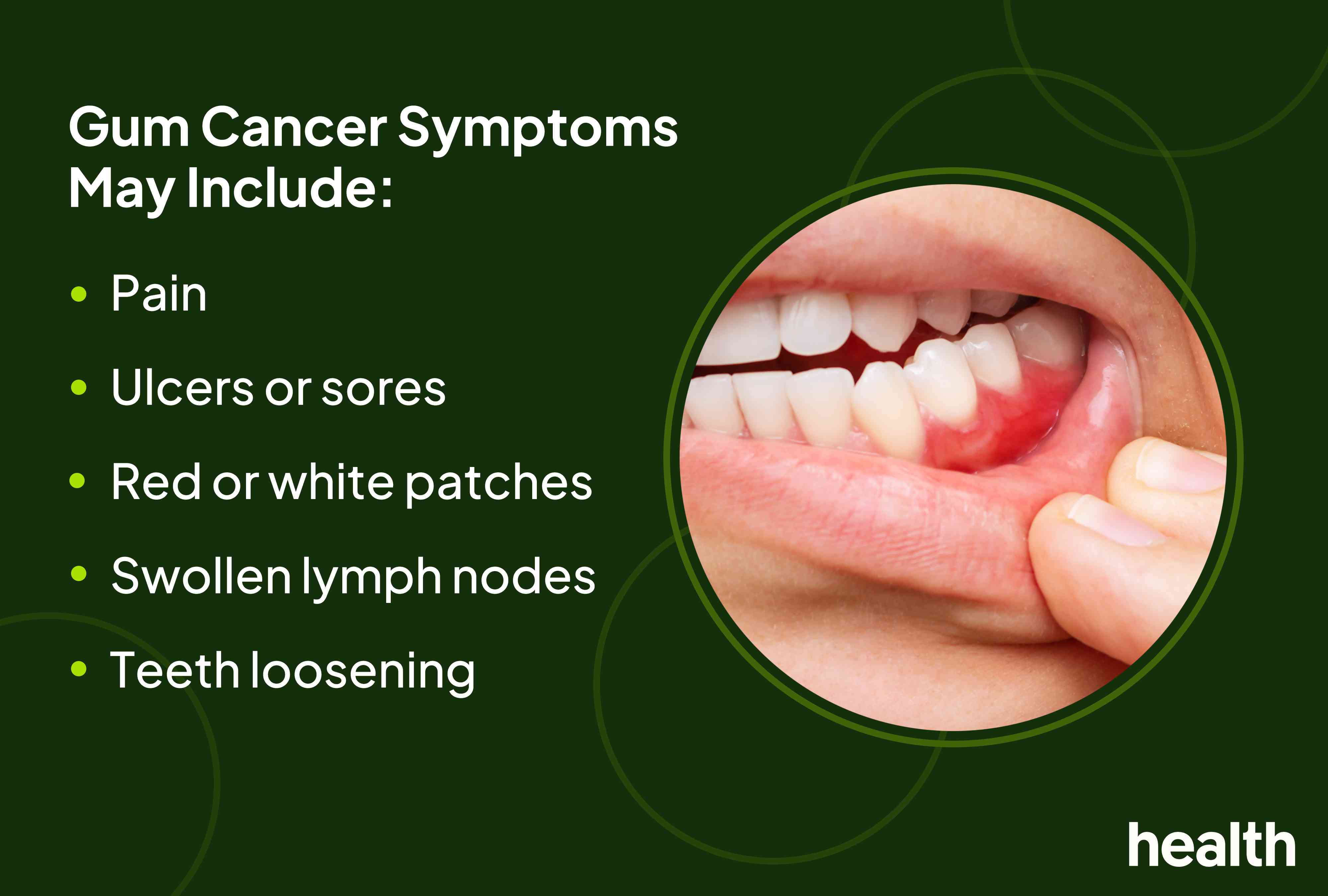
- Non-Healing Sores or Ulcers: Perhaps the most common and critical early sign is a sore, lesion, or ulcer on the gums that simply refuses to heal. Unlike typical canker sores that usually clear up within a week or two, a cancerous lesion persists for several weeks, often growing larger or more uncomfortable over time.
- Unusual Discolouration: Keep an eye out for white or red spots or patches on your gums. These are known as leukoplakia (white patches) and erythroplakia (red patches). While not all such patches are cancerous, erythroplakia in particular has a higher likelihood of being malignant or pre-cancerous and should always be examined by a dentist.
- Persistent Swelling: Any localized swelling on the gums that doesn't subside within a few weeks, especially if it's firm or hard to the touch, warrants immediate attention.
- Abnormal Bleeding: While bleeding gums during brushing can be a sign of gingivitis, persistent bleeding that lasts for weeks, occurs spontaneously, or is unusually heavy, can be a symptom of gum cancer.
Advanced-Stage Symptoms: When Things Become More Apparent
As gum cancer progresses, the symptoms tend to become more pronounced and indicative of a more serious issue:
- Pain: While early gum cancer can be painless, advanced stages often involve localized pain or tenderness in the affected area. This pain can radiate to other parts of the mouth or face.
- Loose Teeth: If teeth become loose without any apparent cause like periodontal disease, or if dentures no longer fit properly, it could indicate that the cancer is affecting the bone structure supporting the teeth.
- Difficulty Eating or Speaking: As the tumour grows, it can interfere with normal mouth functions, making chewing, swallowing, or even speaking painful or difficult.
- Numbness: A feeling of numbness or tingling in any part of the mouth, face, or neck can occur if the cancer affects nearby nerves.
- Lump or Thickening: A noticeable lump or thickening in the gum or surrounding oral tissue is a significant red flag.
The insidious nature of gum cancer lies in its ability to mimic more benign conditions. Many people might confuse these early gum cancer symptoms with common issues like gum inflammation (gingivitis), periodontal disease, or even a simple tooth abscess. This makes diligent self-examination and regular dental check-ups incredibly important.
Why Early Detection is Your Best Defense
The phrase "early diagnosis is crucial" is a recurring theme in oncology for a reason, and it holds especially true for gum cancer. When detected in its nascent stages, gum cancer is often localized, meaning it hasn't spread to other parts of the mouth or body. This significantly improves the success rate of treatments such as surgery, radiation, or chemotherapy, often allowing for less invasive procedures and better preservation of oral function and aesthetics.
Conversely, allowing gum cancer to advance not only complicates treatment but also increases the risk of it spreading to lymph nodes in the neck or other distant parts of the body. Once it metastasizes, the prognosis becomes much poorer. Imagine the foundation of your house cracking. If you fix the crack immediately, the repair is simple and effective. If you ignore it, the entire house structure could be compromised, leading to far more extensive and costly damage.
This is why understanding and acting on potential warning signs of gum cancer is not just about survival, but about maintaining quality of life.
Actionable Steps: When to See a Dentist
Given the critical role of early diagnosis, knowing when to seek professional help is paramount. Here are actionable steps and specific scenarios that warrant an immediate visit to your dentist:
- Persistence is Key: If you notice any of the aforementioned gum cancer symptoms—a sore, discolouration, swelling, or bleeding—that does not resolve on its own within two to three weeks, do not delay. This timeline is a critical differentiator from most benign conditions.
- Unexplained Changes: Any new, unexplained lump, thickening, or area of numbness in your mouth, particularly on your gums, should be evaluated promptly.
- Routine Check-ups Are Not Enough: While regular dental check-ups are vital for general oral health, they may not always include specific oral cancer screenings, especially if you don't voice concerns. Be proactive and specifically mention any worrisome symptoms to your dentist.
- Be Prepared: When you visit your dentist, be ready to provide a detailed account of your symptoms: when they started, if they've changed, if they cause pain, and any potential risk factors you might have (like tobacco or heavy alcohol use, although these were not explicitly in the source, they are common risk factors for oral cancers).
Your dentist can perform an oral examination and, if necessary, recommend further diagnostic tests, such as a biopsy, to determine the nature of the lesion. Remember, most suspicious lesions turn out to be benign, but only a professional evaluation can provide that definitive answer and peace of mind.
The possibility of gum cancer can be frightening, but fear should never deter you from seeking medical advice. Early detection is your most powerful weapon against this disease. By understanding the gum cancer symptoms, committing to regular self-checks, and acting swiftly if you notice persistent changes, you significantly improve your chances of a positive outcome. Prioritizing your oral health means giving yourself the best possible defense against serious conditions like gum cancer. Don't dismiss a persistent sore or unusual patch; empower yourself with knowledge and proactive care.