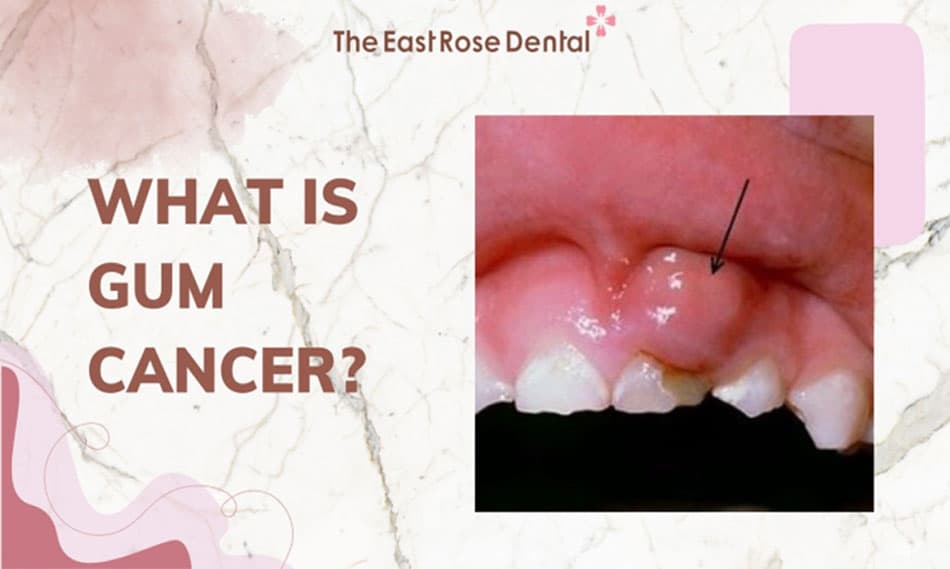
Our gums are often the unsung heroes of our oral health, providing crucial support for our teeth and acting as a protective barrier against bacteria. Yet, like any part of the body, they can be vulnerable to serious conditions, including cancer. Gum cancer symptoms can be subtle at first, often mimicking less severe oral issues, which makes early detection a significant challenge. Understanding what to look for and when to seek professional help is paramount for successful treatment and overall well-being.
This comprehensive guide will equip you with the knowledge to identify potential gum cancer signs, differentiate them from common gum problems, and understand the critical importance of timely dental intervention.
What Exactly is Gum Cancer? Understanding Its Nature and Connection to Oral Cancer
Gum cancer, also known as gingival cancer, is a specific type of oral cancer that arises when malignant tumors develop within the gum tissues. While not as common as some other forms of oral cancer, its impact can be profound if not detected early. Fundamentally, it's characterized by an uncontrolled growth of abnormal cells in the gums.
Oral cancer is a broader term encompassing cancers that can develop in any part of the mouth, including the lips, tongue, cheeks, palate, floor of the mouth, and yes, the gums. Therefore, gum cancer is a subset of oral cancer. The majority of oral cancers, including gum cancer, are squamous cell carcinomas. These cancers begin in the thin, flat squamous cells that line the inside of the mouth and throat.
It's vital to distinguish between a benign (harmless) gum tumor and a malignant one (gum cancer). While some abnormal growths on the gums might be non-cancerous, a malignant tumor will spread if not treated. Think of your gums as the sturdy foundation of your oral health; if cancer takes root there, it can seriously affect your entire mouth, potentially leading to tooth loss and spreading to other tissues.
Key Gum Cancer Symptoms: What to Look For Beyond the Obvious
Recognizing the early Warning Signs of Gum Cancer: Don't Mistake Them for Gingivitis is crucial, as symptoms can vary depending on the stage of the cancer. However, vigilance for any persistent changes in your gums is always warranted. Here’s a detailed look at the symptoms you should be aware of:
- Non-Healing Sores or Ulcers: This is arguably one of the most critical warning signs. A sore or ulcer on your gums that doesn't heal within two weeks is a major red flag. Unlike typical canker sores or injuries that resolve quickly, a cancerous lesion will persist, often growing larger or becoming more painful over time.
- Persistent Discoloration: Keep an eye out for unusual changes in the color of your gum tissue. This often appears as:
- White Spots or Patches (Leukoplakia): These are typically thick, white patches that cannot be scraped away. While many are benign, they can sometimes be precancerous or cancerous.
- Red Spots or Patches (Erythroplakia): These are usually bright red, velvety patches that are often flat or slightly raised. Erythroplakia is generally considered more concerning than leukoplakia, as a higher percentage of these lesions are cancerous or precancerous.
- Unusual Swelling, Lumps, or Thickening: Any new, unexplained swelling, a firm lump, or an area of thickened tissue on your gums should prompt a dental visit. This could be a developing tumor.
- Chronic Bleeding: While occasional bleeding when brushing or flossing can be a sign of gingivitis, persistent bleeding that lasts for weeks, occurs spontaneously, or is unusually heavy, is a concerning gum cancer symptom.
- Loosening of Teeth: If teeth become loose without an obvious cause like advanced periodontal disease or injury, it could indicate that a tumor is affecting the underlying bone structure or gum tissue supporting the teeth.
- Persistent Pain or Tenderness: Gum cancer can initially be painless, making detection difficult. However, as the tumor grows, it can cause persistent pain, tenderness, or a burning sensation in the affected area of the gum. This pain might not respond to over-the-counter pain relievers.
- Difficulty or Painful Chewing/Swallowing: As the cancer advances and potentially affects surrounding structures, you might experience pain or difficulty when chewing, swallowing, or moving your jaw.
- Changes in Denture Fit: If you wear dentures, a tumor or swelling on your gums can alter the fit of your dentures, making them uncomfortable or loose.
The Crucial Difference: When Symptoms Aren't "Just" Gingivitis
One of the biggest challenges in identifying gum cancer is that its early Warning Signs of Gum Cancer: Don't Mistake Them for Gingivitis often mimic common, benign oral conditions like gingivitis or periodontal disease. Both gingivitis and gum cancer can cause redness, swelling, and bleeding gums. However, there are key distinctions that should raise your concern:
- Persistence: Unlike gingivitis, which typically improves with diligent oral hygiene (brushing, flossing, mouthwash), cancerous symptoms will persist or worsen despite your best efforts.
- Localized vs. Generalized: Gingivitis often affects a broader area of the gums. Gum cancer, especially in its early stages, may present as a more localized sore, lump, or discolored patch.
- Response to Treatment: If you're treating what you believe is gingivitis, but the symptoms don't resolve within two weeks, or they actually get worse, it's time to consider other possibilities and seek professional help. This "two-week rule" is a critical guideline.
Ignoring persistent or unusual changes in your mouth, assuming they are just minor irritations or typical gum disease, can have serious consequences. Always err on the side of caution.
Act Fast: The Role of Early Diagnosis and Dental Visits
As with all cancers, early diagnosis is the cornerstone of successful gum cancer treatment. The analogy of a small crack in a car windshield that can eventually cover the entire surface holds true for gum cancer; what starts as an insignificant symptom can spread, becoming far more challenging to treat. This is why Is That Sore Gum Cancer? Why Early Diagnosis is Critical for a favorable prognosis.
Unfortunately, standard screening tests for oral cancers like gum cancer don't exist in the same way they do for some other cancers. This places an even greater emphasis on regular self-examinations and consistent dental check-ups. Many gum cancers are detected during routine dental examinations, highlighting the invaluable role of your dentist in identifying suspicious lesions that you might overlook.
If you experience any of the aforementioned gum cancer symptoms for more than two weeks, do not delay in scheduling an appointment with your dentist. They are trained to perform thorough oral exams and can identify suspicious areas. If a suspicious lesion is found, they will likely perform a biopsy – taking a small tissue sample for laboratory analysis – to confirm a diagnosis.
What to Expect at the Dentist:
- Visual and Physical Examination: Your dentist will carefully examine your entire mouth, including your gums, tongue, cheeks, and throat, checking for any abnormalities. They may also feel your neck and jaw for lumps.
- Discussion of Symptoms: Be prepared to discuss when your symptoms started, how long they've lasted, and any changes you've noticed.
- Biopsy: If a suspicious area is identified, a biopsy is the definitive way to diagnose cancer. This involves removing a small piece of tissue for microscopic examination.
Conclusion
Understanding gum cancer symptoms is a vital step in protecting your oral and overall health. While many gum issues are benign, certain persistent signs should never be ignored. Be vigilant for non-healing sores, unusual red or white patches, persistent swelling, unexplained bleeding, or loose teeth. Remember the "two-week rule": if any suspicious symptom lasts longer than two weeks, seek professional dental advice immediately.
Regular dental check-ups are your first line of defense, providing an opportunity for early detection and intervention. By being proactive and attentive to your body's signals, you empower yourself to address potential issues promptly, significantly improving outcomes and safeguarding your health for years to come.